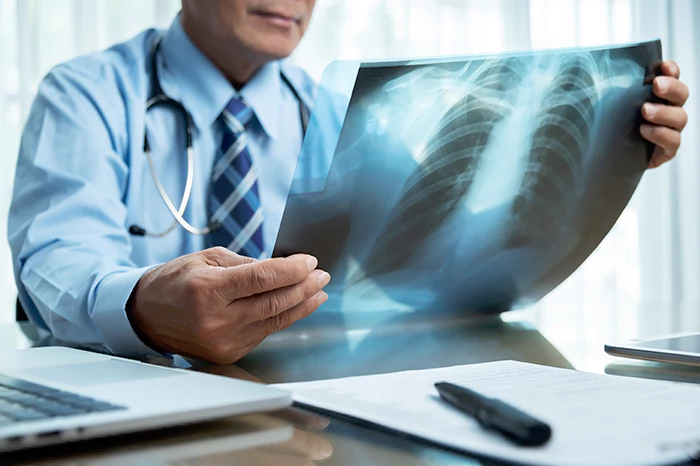
Trusted Interventional Pulmonology in Chennai for Healthy Breathing
InterventionalPulmonology
Interventional pulmonology is a modern, invasive specialty that focuses on using advanced methods and instruments to diagnose and treat lung and airway diseases without requiring open surgery. The Chennai Institute of Pulmonology is pleased to offer some of the most advanced interventional pulmonology in Aminjikarai and around Chennai.
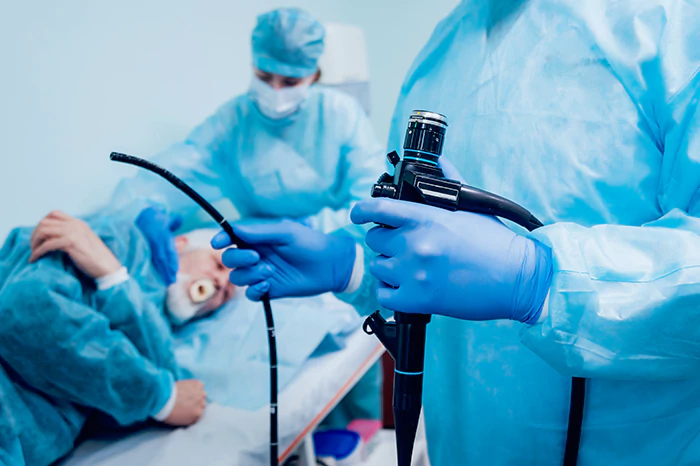
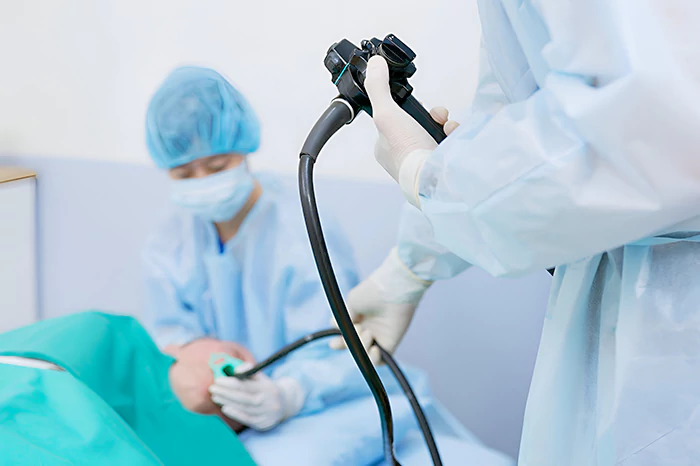
These procedures are executed by specialist Interventional Pulmonologists utilizing high-definition cameras and precision tools that are inserted via the nose or mouth or tiny incisions. Whether it is for a biopsy, clearing a blockage, or setting a stent, our procedure prioritizes convenience, precision, and faster recovery for patients.
Interventional Pulmonology (IP) is a specialized field within pulmonary treatment that utilizes minimally invasive procedures to diagnose and treat complicated lung, airway, and pleural disorders.
These advanced techniques allow a decrease in the requirement for invasive surgeries, shorten recovery time, and improve patient outcomes. From bronchoscopy to pleural space interventions, these procedures provide precise diagnosis and effective therapy for conditions such as lung cancer, airway obstruction, recurrent pleural effusions, and more.
Advanced Diagnostic Bronchoscopy
Diagnostic bronchoscopy plays an important role in identifying lung and airway diseases. With cutting-edge tools and technology, pulmonologists can access deep airway structures and obtain high-quality tissue samples safely.
Flexible Bronchoscopy
A thin, flexible scope is inserted through the mouth or nose to visualize the airways. It’s utilized for:
Transbronchial biopsy – sampling lung tissue for conditions like sarcoidosis or cancer.
Bronchoalveolar lavage (BAL) – flushing a small part of the lung to detect infections or inflammation.
Rigid Bronchoscopy
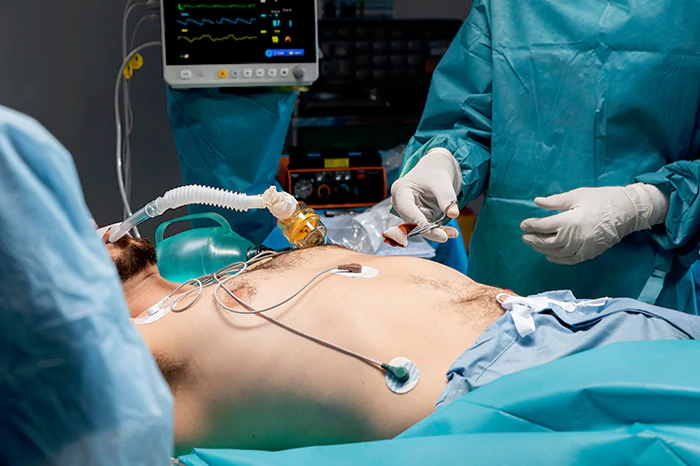
A larger, rigid tube used under general anesthesia to manage central airway obstruction, massive hemoptysis, or foreign body removal.
Endobronchial Ultrasound (EBUS)
Linear (Convex Probe EBUS): Helps real-time guided sampling of lymph nodes or masses via TBNA (transbronchial needle aspiration) or TBNB (transbronchial needle biopsy).
Radial Probe EBUS: Helps in sampling peripheral lung nodules with improved accuracy.
Advanced Diagnostic Bronchoscopy
Diagnostic bronchoscopy plays an important role in identifying lung and airway diseases. With cutting-edge tools and technology, pulmonologists can access deep airway structures and obtain high-quality tissue samples safely.
1. Flexible Bronchoscopy: A thin, flexible scope is inserted through the mouth or nose to visualize the airways. It’s utilized for:
Transbronchial biopsy – sampling lung tissue for conditions like sarcoidosis or cancer.
Bronchoalveolar lavage (BAL) – flushing a small part of the lung to detect infections or inflammation.
2. Rigid Bronchoscopy: A larger, rigid tube used under general anesthesia to manage central airway obstruction, massive hemoptysis, or foreign body removal.
3. Endobronchial Ultrasound (EBUS):
Linear (Convex Probe EBUS): Helps real-time guided sampling of lymph nodes or masses via TBNA (transbronchial needle aspiration) or TBNB (transbronchial needle biopsy).
Radial Probe EBUS: Helps in sampling peripheral lung nodules with improved accuracy.
Therapeutic and Ablative Bronchoscopy
Beyond diagnosis, interventional bronchoscopy plays a crucial role in treating airway diseases, fixing airway patency, handling tumors, and enhancing breathing function.
1. Airway Tumor Ablation: Uses technologies such as:
Laser, electrocautery, cryotherapy
Argon Plasma Coagulation (APC)
Microdebrider – for rapid tumor debulking
2. Airway Dilation: Balloon bronchoplasty or tracheoplasty can relieve airway narrowing caused by strictures or stenosis.
3. Airway Stenting: Placement of:
Silicone, metallic, hybrid, or Y-shaped stents to keep narrowed airways open due to tumors or structural collapse.
4. Endobronchial Valve Placement:
For persistent air leaks after surgery or trauma.
For lung volume reduction in patients with severe emphysema (non-surgical alternative).
5. Intra-airway Therapies: Localized delivery of agents such as Mitomycin or intratumoral chemotherapy for targeted treatment of airway tumors or granulation tissue.
6. Whole Lung Lavage: A special therapy for pulmonary alveolar proteinosis, involving repeated saline washes to clear excess surfactant buildup.
7. Percutaneous Tracheostomy or Montgomery T-tube Insertion: Executed at bedside or in the OR, these procedures secure the airway and support prolonged ventilation or stenosis management.
Pleural Space Therapeutic Procedures
Diseases impacting the pleural space, the area surrounding the lung, can result in fluid accumulation, infections, or malignancies. Interventional pulmonology provides safe and effective pleural interventions:
Thoracentesis
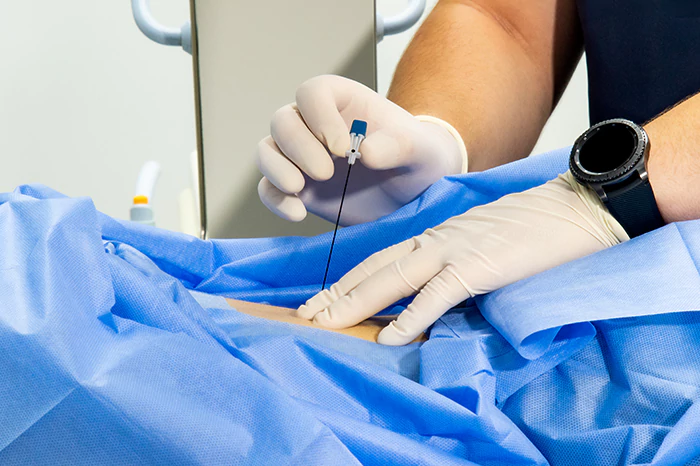
Ultrasound-guided fluid drainage from the pleural cavity for diagnostic or therapeutic relief.
Intercostal Catheter Drainage
Insertion of large or small-bore chest tubes for continuous drainage in cases like pleural effusion or pneumothorax.
Enables direct visualization and biopsy of the pleura.
Essential for diagnosing malignancy, tuberculosis, or unexplained pleural effusions.
Tunneled Pleural Catheter Placement
Offers a long-term solution for recurrent malignant effusions, letting patients to handle drainage at home.
Chemical Pleurodesis
Performed via tube or thoracoscopy using agents like talc to fuse pleural layers and prevent fluid reaccumulation.
Pleural Space Therapeutic Procedures
Diseases impacting the pleural space, the area surrounding the lung, can result in fluid accumulation, infections, or malignancies. Interventional pulmonology provides safe and effective pleural interventions:
1. Thoracentesis: Ultrasound-guided fluid drainage from the pleural cavity for diagnostic or therapeutic relief.
2. Intercostal Catheter Drainage: Insertion of large or small-bore chest tubes for continuous drainage in cases like pleural effusion or pneumothorax.
Image-Guided Pleural Biopsy or Medical Thoracoscopy:
Enables direct visualization and biopsy of the pleura.
Essential for diagnosing malignancy, tuberculosis, or unexplained pleural effusions.
3. Tunneled Pleural Catheter Placement: Offers a long-term solution for recurrent malignant effusions, letting patients to handle drainage at home.
4. Chemical Pleurodesis: Performed via tube or thoracoscopy using agents like talc to fuse pleural layers and prevent fluid reaccumulation.
WhyChooseChennaiInstituteofPulmonology?
Specialized Expertise
Our group of interventional pulmonologists brings years of training from global centers, including fellowship-level expertise.
State-of-the-art Equipment
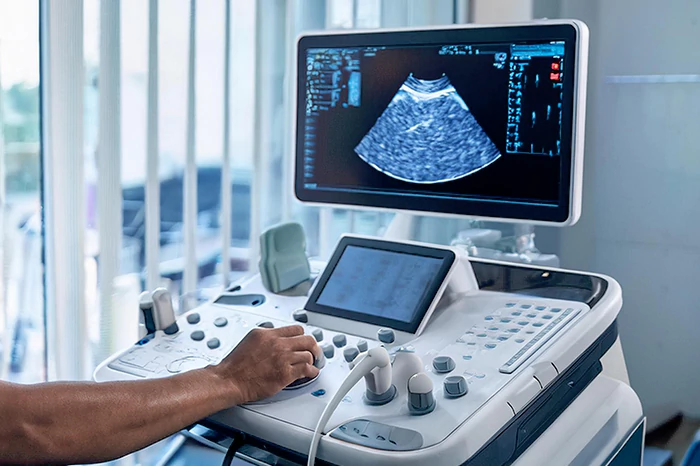
We utilize high-definition video bronchoscopes, radial probes, and real-time ultrasound imaging to make sure safe and proper diagnosis and treatment.
Patient Safety First
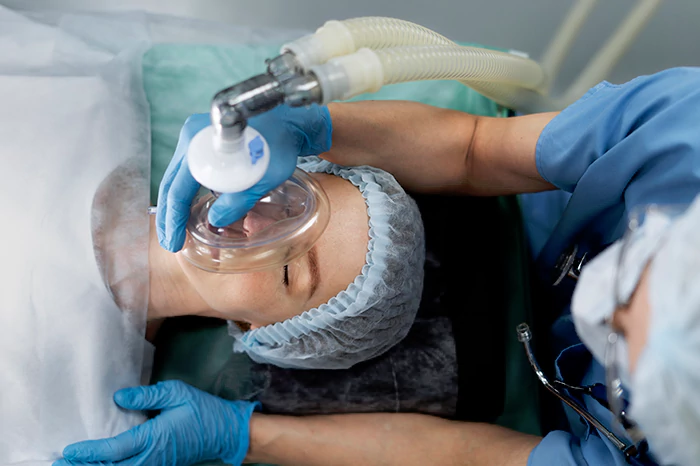
Each process is done with utmost care using sedation and sterile procedures in a calm environment. Monitoring before, during, and after the process is part of our protocol.
Comprehensive Lung Care
From evaluation to rehabilitation, we offer holistic care for lung diseases under one roof.
Frequently Asked Questions
Is bronchoscopy painful?
Not at all. The process is done under gentle sedation or local anesthesia. You may feel a little pain in the throat, but it’s usually brief and well-tolerated.
What is the healing time after these processes?
You might feel tired or have a sore throat for a few hours, but complete healing is generally quick; usually within 24–48 hours.
Are these procedures secure?
Yes, they are minimally intrusive and very safe when done by qualified specialists. Difficulties are rare and mostly mild.
Who requires EBUS or Radial EBUS?
Patients with enlarged lymph nodes, unexplained lung nodules, or presumed lung cancer often benefit from these developed diagnostic tools.
Can these approaches be repeated if required?
Yes, they can be safely repeated when essential for ongoing monitoring or therapy.
For specialist Interventional Pulmonology in Chennai, including Aminjikarai, contact the Chennai Institute of Pulmonology. We are dedicated to breathing life back into your lungs with care, understanding, and cutting-edge technology.